Algae Through The Ages
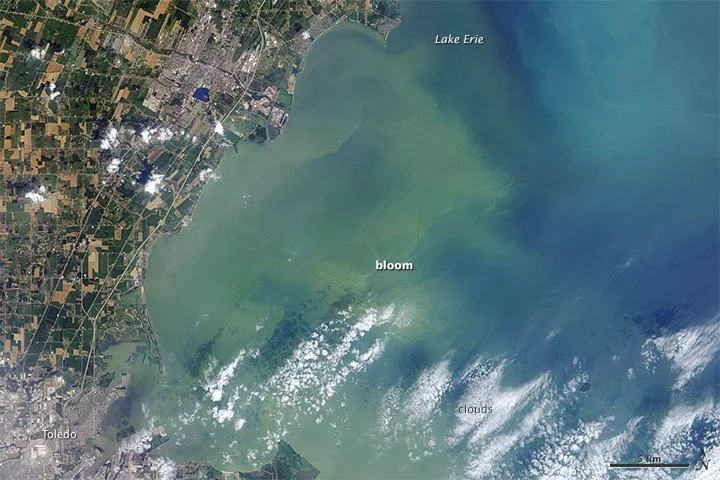
When toxins from a harmful algal bloom (HAB) caused the City of Toledo to issue a “Do Not Drink Advisory” to 400,000 people, Ohio Sea Grant was on the case as soon as the phone started ringing.
While Stone Lab staff carried boxes of toxin analysis supplies to the City of Toledo offices, which were on the brink of running out, Ohio Sea Grant director Dr. Jeff Reutter and research coordinator Dr. Justin Chaffin were on the phone with the U.S. and Ohio Environmental Protection Agencies (EPA) as well as city officials from Toledo to help inform their management of the issue.
But August 2014 was far from the first time Ohio Sea Grant worked on the front lines to restore the health of Lake Erie.

And Dirt Goes Flying at the Speed of Sound
Wouldn’t it be nice if you could just shout at the mess in your kitchen and have it disappear? While that’s still a pipe dream, researchers at The Ohio State University are taking steps in the right direction, working to use sound waves to remove contaminants from Lake Erie sediment.

Giving Back
Stone Lab students always maintain a special connection to their time on the island. Many will return as Friends of Stone Lab to help with annual events, or they support the lab through donations. And then there are a few alumni who go the extra mile and include Stone Lab in their estate, contributing to Lake Erie research and education long after they themselves are gone.

The Great Lakes’ Guardian Angel
Every summer, one of the Great Lakes receives a visit from a white ship bearing the mark of the United States Environmental Protection Agency (EPA). The Research Vessel (R/V) Lake Guardian is tasked with monitoring the conditions in the Great Lakes, from water temperatures to aquatic organisms.
Once a year, the Guardian, as it’s often called, also takes on a group of about 16 educators from around the Great Lakes region to allow them to learn about current Great Lakes research and bring that knowledge back to the students in their classroom

Discover Lake Erie Birding
Each summer, locations along the Lake Erie coastline fill with visitors, cameras and bird guides in hand, ready to discover that next rare bird on their must-see list. Birding contributes $30 million to northern Ohio’s economy every year, and the Ohio Department of Natural Resources (ODNR) Division of Wildlife and Ohio Sea Grant have partnered in an effort to support and expand that contribution.
What Triggers Algal Blooms in Sandusky Bay?
Living on Lake Erie, people become familiar with the bright green paint look of Microcystis harmful algal blooms in the water, and management efforts have been focused on this nuisance for a while now. However, in Lake Erie’s Sandusky Bay, another cyanobacterial species is more prevalent, as Planktothrix blooms stain the bay’s water a dark olive green.
Both Microcystis and Planktothrix produce microcystin, a powerful toxin that can affect the liver, nervous system, and skin. However, the two species seem to prefer different nutrients: Microcystis uses phosphorus, while Planktothrix prefers nitrogen. Both types of algae also come in toxin-producing and non-toxic varieties, and little is known about what causes their blooms to become toxic.
A Fateful Bond
When harmful algal blooms approach shoreline communities along Lake Erie, residents get worried: in addition to being generally unpleasant, the overabundance of blue-green algae could very well be producing microcystin, a toxin that affects the liver, skin, and nervous system. Water treatment plants that draw drinking water directly from the lake have learned to deal with the toxin, but the additional treatment cost can add up quickly at $3,000 per day.
An additional problem is posed by the fact that not all algal blooms are toxic, not all seemingly clear water is free of microcystin, and not all of the microcystin produced in an algal bloom is dissolved in the water column. Some of it may also adhere to sediments, which would make the toxin stick around for longer than it would if it remained in the water.
Environmental Education Goes Local
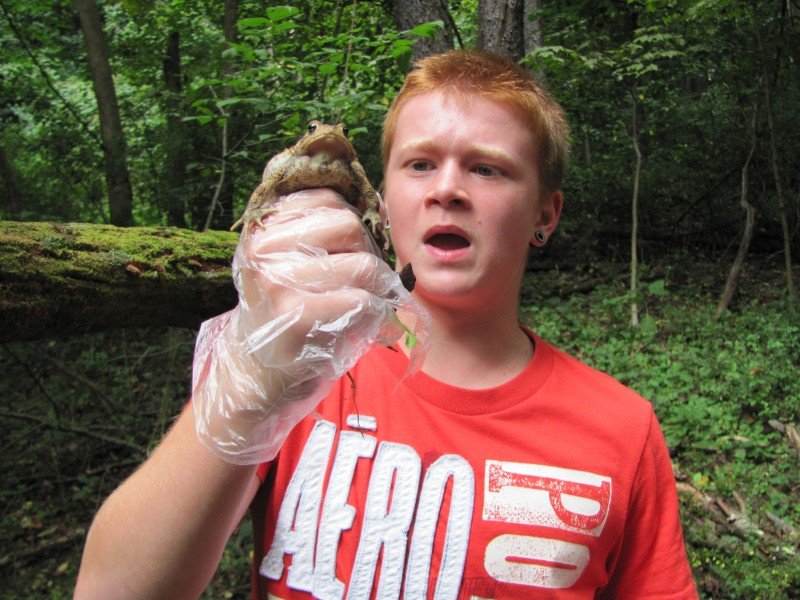
Students who live in Great Lakes states or near an ocean coast may know about the importance of those natural resources from school, but many have never had the chance to experience that particular ecosystem up close. To help them connect the theory of what they learn in class with hands-on experiences that bring them closer to their local natural areas, the National Oceanic and Atmospheric Administration (NOAA) created the Bay Watershed Education & Training (B-WET) program in 2002.
After the Birds Have Gone
The words “avian influenza” – more commonly referred to as “bird flu” – still have a scary ring to them, even a few years after the massive media coverage from Asia. While the stories have all but disappeared from American news, researchers around the world continue to focus on avian influenza viruses, tracking their movements, and working to prevent their spread and contain outbreaks.

Keeping It Clean
On a warm, sunny day, the Lake Erie shore abounds with visitors. From beachgoers and swimmers to anglers and boaters, people often travel from far away to spend time on the lakeshore, and businesses in the region rely on visitor spending for much of their income.
Those businesses include recreational marinas, where private boat owners and charter captains dock their vessels when they’re not out on the lake. Because of their location right on (and in) the water, marinas along the Lake Erie shore contribute greatly to the health and wellbeing of the lake ecosystem.

Twine Line Magazine
I act as managing editor for Ohio Sea Grant’s Twine Line magazine, from creating the editorial table of contents to managing print and online production.
Exchange of Ideas
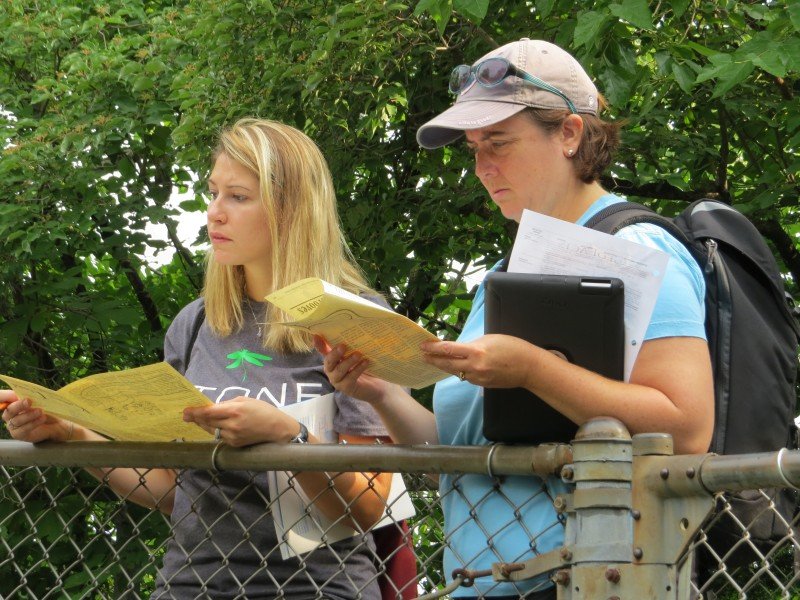
A big part of the Stone Lab experience, aside from doing science in a real-world island setting, is exploring knowledge and sharing ideas with like-minded individuals from all over the Great Lakes region. This can be especially important for working professionals like the educators that take classes at Stone Lab every summer, as this exchange of ideas helps them adapt learning to their specific education setting.
Ohio Sea Grant Email Newsletters
I manage Ohio Sea Grant’s email newsletter program, from a monthly general newsletter to specialized research and donor newsletters.

Put-in-Bay Celebrates Battle of Lake Erie Bicentennial
200 years ago, men in uniform were a well-known presence at Put-in-Bay, as sailors of the United States Navy were stationed there during the War of 1812. uring Labor Day weekend 2013, uniforms – this time worn by both men and women – again made an appearance during the festivities that celebrated the Bicentennial of the Battle of Lake Erie.
New Ohio Sea Grant Project Helps Determine Lake Erie’s Value to Its Residents
For some things, it’s easy to define their value: a pair of jeans or a pizza is worth whatever someone has paid for them. But for others, like a pristine beach or a great fishing spot, worth is much harder to define. In one of the research projects recently funded by Ohio Sea Grant, scientists and economists from Ohio State University will develop an economic model that does just that, to help policy makers decide which conservation practices will raise the value of the Lake Erie ecosystem to its residents and visitors.

Surveying the Landscape
Northwestern Ohio’s landscape is marked mostly by agriculture, with farms of all sizes stretching across the Maumee River watershed and beyond.
A collaborative project, led by Ohio State University, is examining the connection between people’s perception of the health of Lake Erie and the Maumee River watershed, the actual state of these ecosystems, and how both are likely to shift under future influences like climate change. The overall project is funded by a National Science Foundation program aimed at examining the connection between human and natural systems – how humans influence an ecosystem, and how changes in that ecosystem in turn affect humans’ perception of and future actions towards it.
New Life for Dredged Material
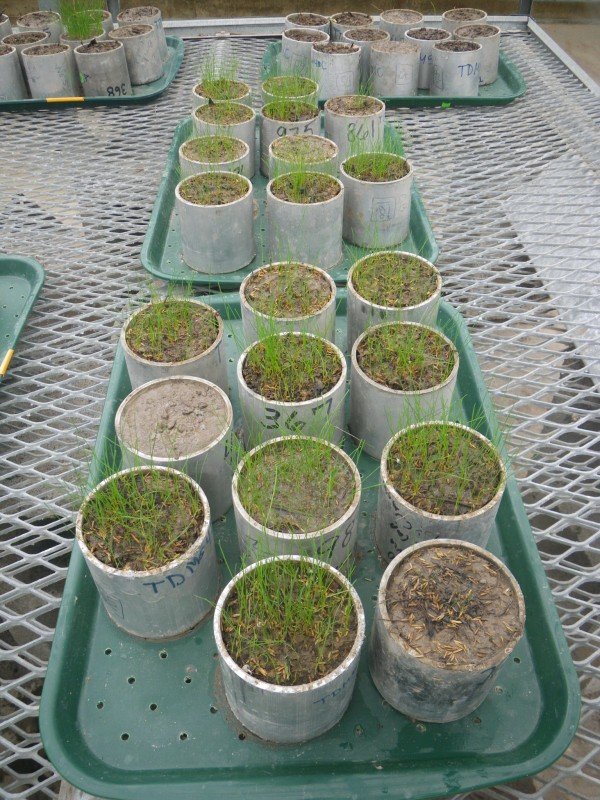
Dredging shipping channels is an unavoidable part of harbor maintenance in the western Lake Erie basin. In Toledo, the Army Corps of Engineers removes about one million cubic yards of sediment from the Maumee River each year, washed downstream by heavy rainstorms and agricultural runoff. But once the sediment is removed from the shipping channel, where does it go?
Conservation Assessment Tools
When algal blooms hit Lake Erie, discussions about the blooms’ causes become hot topics in the surrounding communities. But while Lake Erie algal blooms are an important concern for the region, people often don’t think about the impact that those nutrients and sediments can have on the watershed before they reach places like Sandusky Bay. Where do these problematic materials come from? Where do they enter the waterways? How do they affect plant and animal life, both in the stream and along streambanks? And what are the best ways to reduce the impacts of nutrients and sediments, both on local streams and on their eventual destination, Lake Erie?
Digging Deeper Into Science
Between science fair projects and a summer class at Stone Lab, Erin Rogers is already well on her way to a career in the sciences. This summer, the Tippecanoe High School junior from Tipp City, Ohio spent a week at Stone Lab, studying local plants and exploring the Lake Erie shoreline.
Methane Sources in Lake Erie
On a late summer day on Lake Erie, what looks like an upside down bucket, surrounded by an inner tube and attached to hoses and wires, floats next to a Stone Lab research vessel. On the boat, a research team is taking air samples from below the bucket for later analysis, and measuring environmental conditions like air and water temperature.
Dr. Amy Townsend-Small and her students are measuring methane emissions from the surface of Lake Erie. Like carbon dioxide, methane acts as a greenhouse gas in the atmosphere, trapping heat and contributing to global warming.